
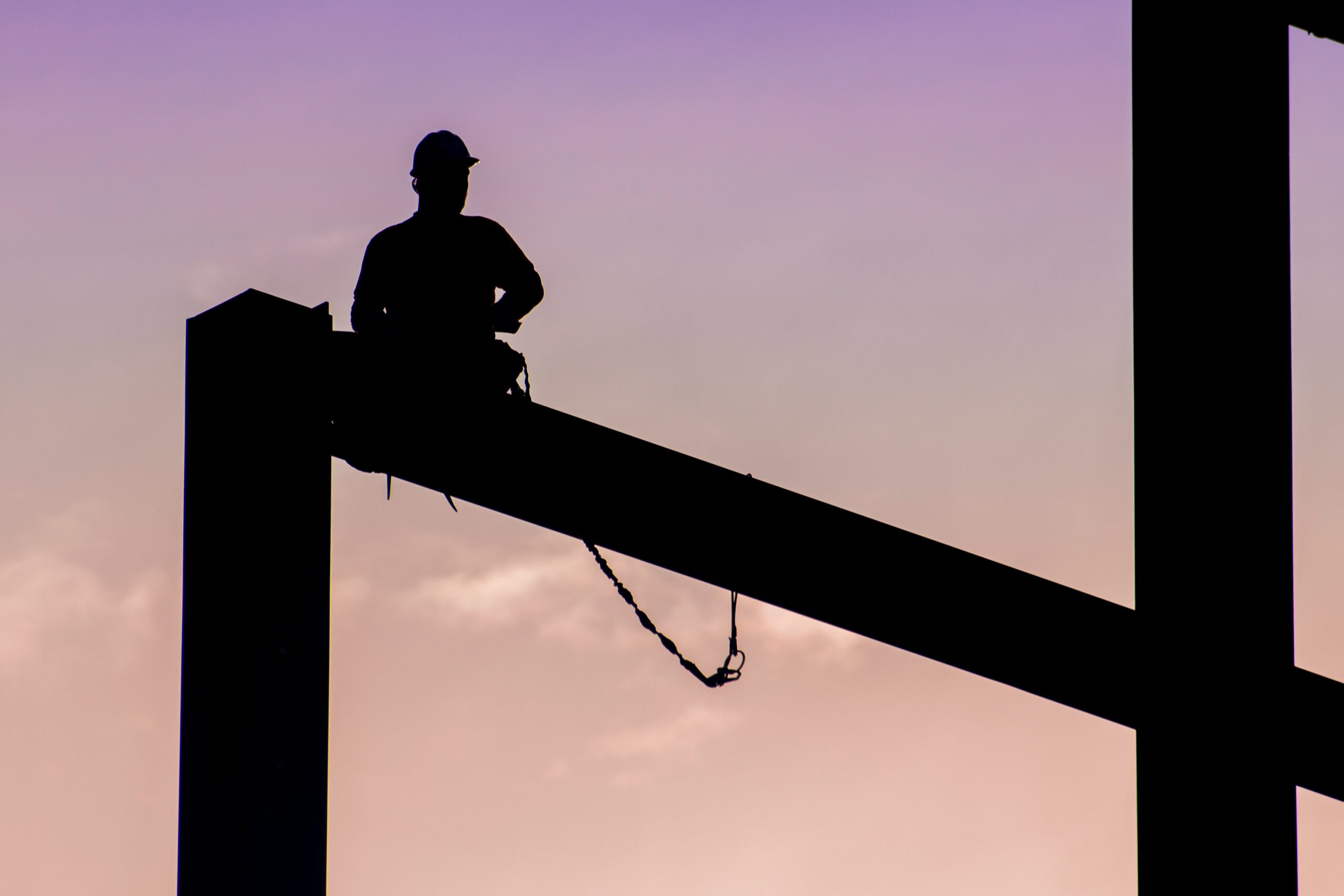
Construction sites rely heavily on elevated work platforms, and safe operation of this equipment depends on workers completing aerial lift training courses that provide the knowledge and skills to manage height-related risks effectively. These courses go beyond basic awareness, teaching crews how to handle lifts under time pressure, coordinate multiple activities in confined areas, and apply safety procedures that reduce the likelihood of incidents. By ensuring operators understand both equipment limitations and standardized safety practices, aerial lift training builds the foundation for safer, more reliable construction work at height.
Working at height as a controlled risk
Operating lifts at height involves a combination of mechanical, environmental, and human factors that must be controlled at all times to maintain site safety and continuity. Wind conditions, uneven ground, and restricted movement areas can influence stability, while incorrect positioning or overloading can quickly lead to unsafe situations that affect both the operator and surrounding workers. Each of these elements requires structured attention, as even small oversights can lead to incidents that disrupt operations and place individuals at risk.
Operational gaps in lift usage
On many sites, lift operation is treated as a routine task rather than a specialized activity that demands consistent standards and oversight. Workers may rely on previous experience or informal guidance, which can lead to inconsistent practices when conditions change or when unfamiliar equipment is introduced. This gap becomes more visible on complex projects where coordination between teams is essential, and where a lack of shared procedures can slow down progress or create avoidable hazards.
Structured training for lift operators
A formal approach to training introduces consistency and clarity into lift operations, which is where a well designed aerial lift course becomes relevant for construction teams aiming to improve safety performance. This type of training focuses on practical skills such as pre use inspections, understanding load limits, and maintaining control during movement, while also addressing situational awareness in dynamic site environments. Operators who complete structured training are better equipped to assess risks before they escalate, which supports safer execution of tasks that involve working at height.
Applying safe work practices on site
Trained operators approach lift usage with a methodical process that begins before the equipment is even activated, as checks on mechanical condition, ground stability, and surrounding obstacles are carried out as part of routine preparation. Once in operation, attention shifts to controlled movement, maintaining safe distances, and responding to changes in the environment without compromising stability or safety. This structured approach reduces uncertainty on site and allows teams to operate with greater confidence, especially in areas where multiple trades are working simultaneously.
OSHA-aligned training for aerial lift operations
Safety training for lift operations does not exist in isolation, as it is often supported by broader frameworks that define how risks should be managed across different activities on site. An OSHA compliance course provides additional context by covering workplace hazards, emergency procedures, and regulatory expectations that apply across construction environments. This wider understanding helps operators see how their role fits within the overall safety structure, reinforcing the importance of consistent practices and clear communication.
Building awareness beyond equipment use
Compliance based training expands the focus from equipment handling to a broader awareness of workplace conditions, including hazard recognition, use of personal protective equipment, and response to incidents. Workers gain insight into common risks such as falls, electrical exposure, and interactions with moving machinery, which allows them to make more informed decisions during daily tasks. This level of awareness supports not only individual safety but also contributes to a more coordinated and responsive site environment.
Impact on site performance and accountability
Sites that invest in structured training often see improvements in both safety outcomes and operational efficiency, as trained personnel require less supervision and are able to carry out tasks with greater consistency. Fewer incidents lead to reduced downtime, while clearer procedures improve coordination between teams working in shared spaces. Accountability also becomes easier to maintain, as expectations are defined through training rather than informal instruction, which helps align individual actions with site wide safety objectives.
Consistency across international construction projects
Construction projects increasingly involve collaboration across regions, which makes standardized training approaches more valuable for maintaining consistent safety practices. Workers who have completed recognized training programs can transition between projects with a clear understanding of expectations, reducing the time needed to adapt to new environments. This consistency is particularly relevant for contractors operating across different markets, where aligning safety procedures supports both compliance and operational continuity.
Strengthening safety culture through practical training
A strong safety culture is built through repeated actions and shared understanding rather than isolated initiatives, and training plays a central role in establishing this foundation across construction teams. When operators understand both the technical and regulatory aspects of their work, they contribute to a more stable and predictable working environment that benefits the entire project. Providers such as FMTC Safety support this process by offering training that aligns with real site conditions, helping professionals develop the knowledge required to manage risks effectively while maintaining progress on site.
