The Copper Sustainability Partnership (CuSP) explores the latest progress to improve fire safety in buildings and how copper positions itself as the gold standard for the built environment.
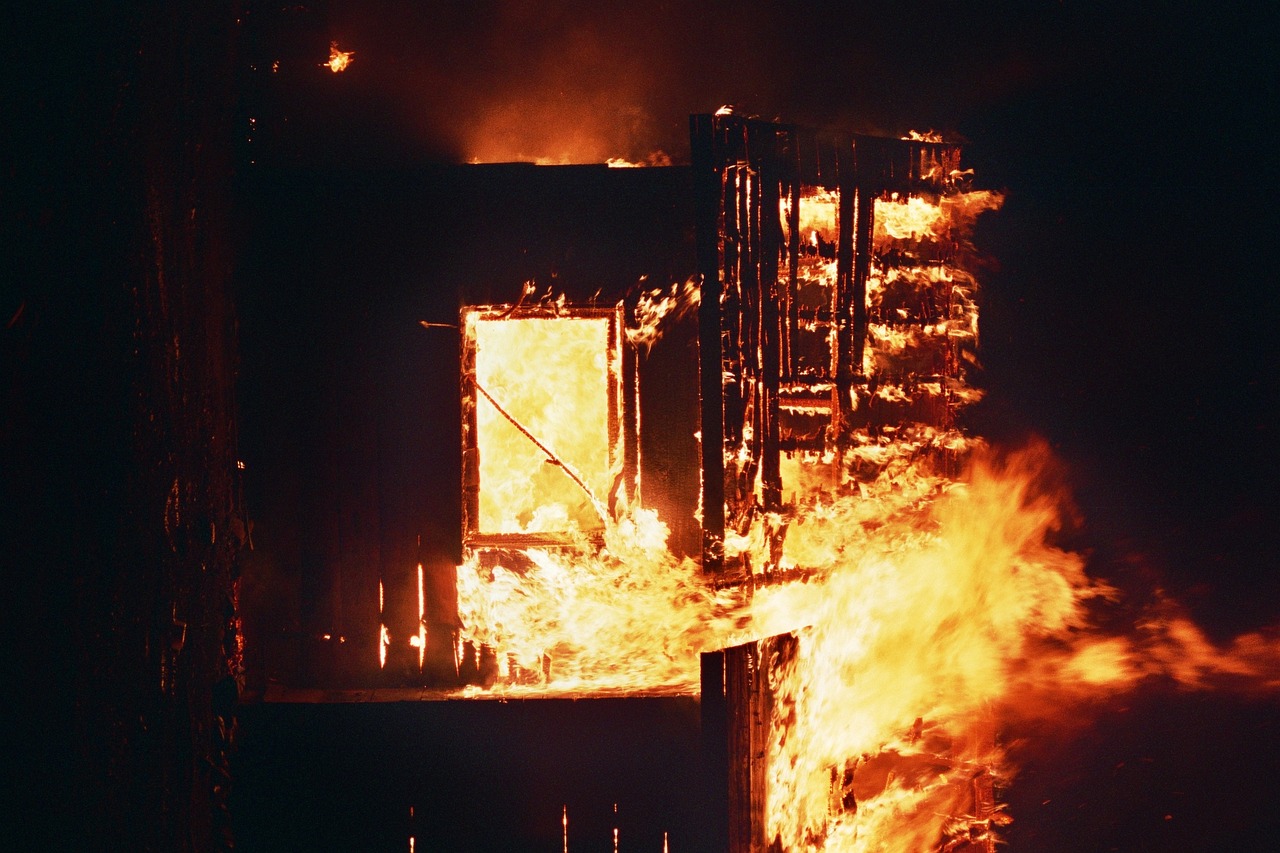
The 2024 revision to regulation limits the restriction on combustible material use to external walls, ancillary areas, and kitchens. However, a critical risk remains in the use of plastic piping for heating and plumbing, due to its combustibility and potential to release toxic fumes.
To address this, regulation must evolve and recognise copper and other metals for their superior fire resistance, if a safer future is to be created for internal building systems.
In response to growing concerns about fire risks, the Fire Sector Federation (FSF) recently launched its fire consultation forum, which aims to enhance communication, share knowledge, and foster collaboration among key stakeholders within the fire safety sector.
The forum aims to ensure the implementation of the Building Safety Act 2022, a crucial piece of legislation aimed at improving safety, accountability, and compliance within the construction sector.
The goal is simple but vital: to create safer, more resilient buildings by improving how fire safety information is shared, and policies are developed. As part of this shift, the materials used in construction have come under greater scrutiny.
Particularly in high-rise buildings and residential complexes, fire-resistant materials like non-combustible cladding, piping and insulation are critical in developing buildings that can withstand a fire and contain it within a limited area.
Among the most overlooked elements in fire safety are the systems used within buildings, such as plumbing. More recently, plastic pipes have become a common choice for plumbing – however, the flammability of plastic materials is a major cause for concern.
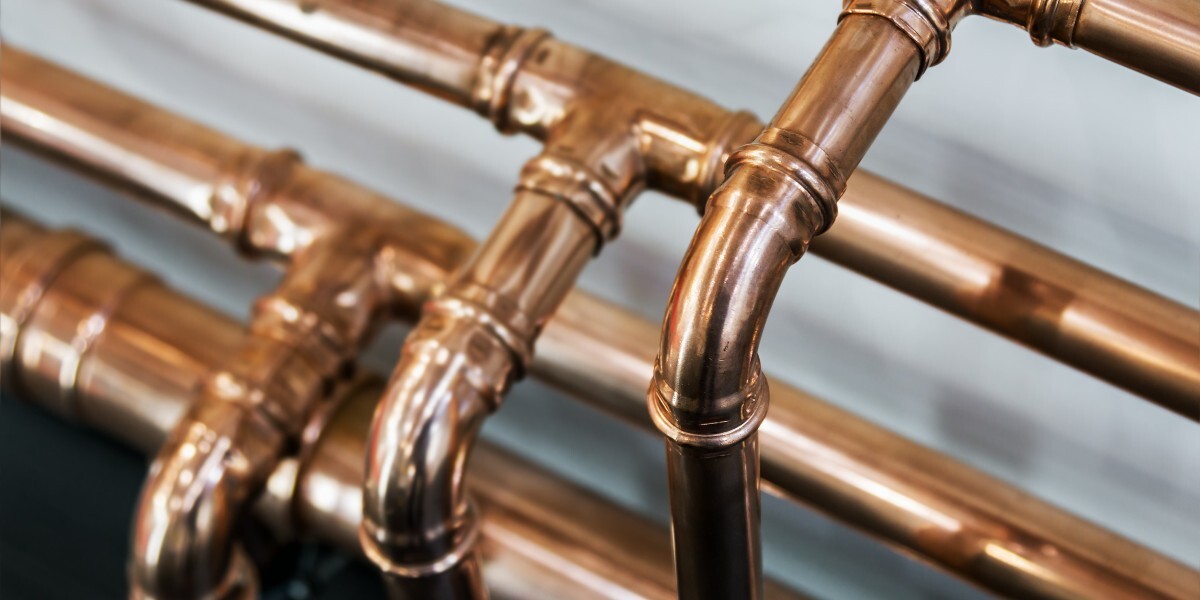
This is where copper comes in as a vital material for improving fire safety. Copper is a non-combustible material that can help prevent the spread of fire in critical areas like plumbing systems. The metal has a high melting point of 1,085°C – far exceeding the temperature of most building fires – and does not catch fire easily or release harmful gases when exposed to high heat.
Additionally, copper pipes have a low thermal expansion coefficient, meaning they expand at a slower rate than most other building materials when exposed to heat. This makes copper particularly valuable in fire situations, as it retains its structural integrity for longer, helping to prevent further damage or catastrophic failure. The properties of copper make it a vital component of fire safety, particularly in modern buildings, where fast and reliable evacuation is key to saving lives.
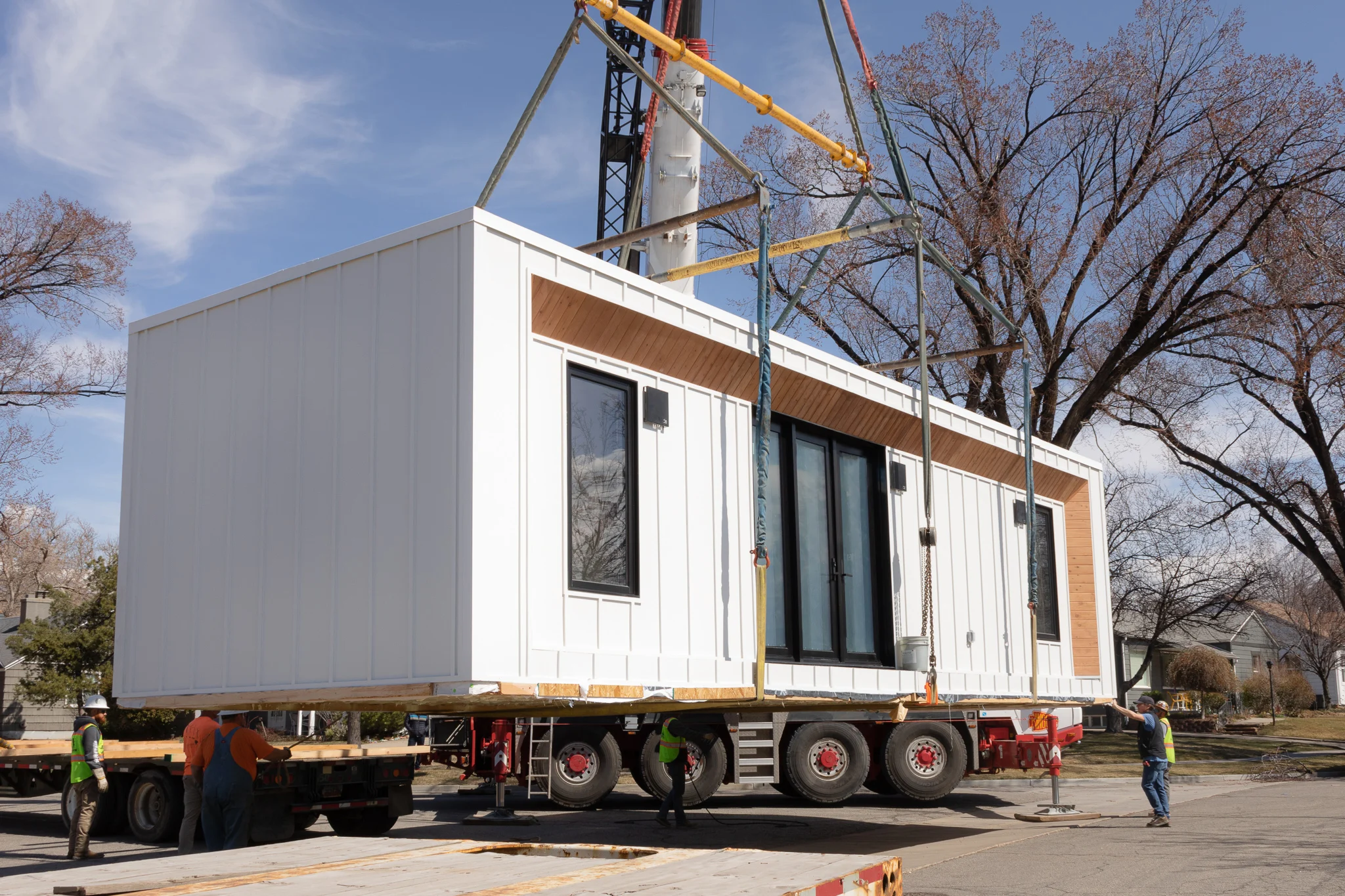
As the construction industry faces increasing pressure to meet heightened fire safety standards, the adoption of non-combustible materials such as copper is essential. The importance of these materials cannot be overstated, especially in the context of modular homes.
The future of fire safety lies in a holistic approach, one that incorporates regulatory compliance and establishment, with a deeper understanding of the materials and systems that go into creating safe buildings and homes.
By replacing plastic pipes with copper in buildings, installers can significantly reduce the risk of fire spreading through the building’s infrastructure. As fire safety standards evolve, copper has the potential to revolutionise building safety. So, when will it become the standard for plumbing and infrastructure?
To learn more about fire safe materials in construction, visit: https://www.cuspuk.com/fire-safety/.