
Improving the energy efficiency of your home brings benefits that go far beyond saving money. From health and wellbeing to comfort and community pride, the positive impacts of retrofit projects stretch well beyond meeting net zero targets. But what exactly are these benefits – and who’s responsible for sharing them with the public?
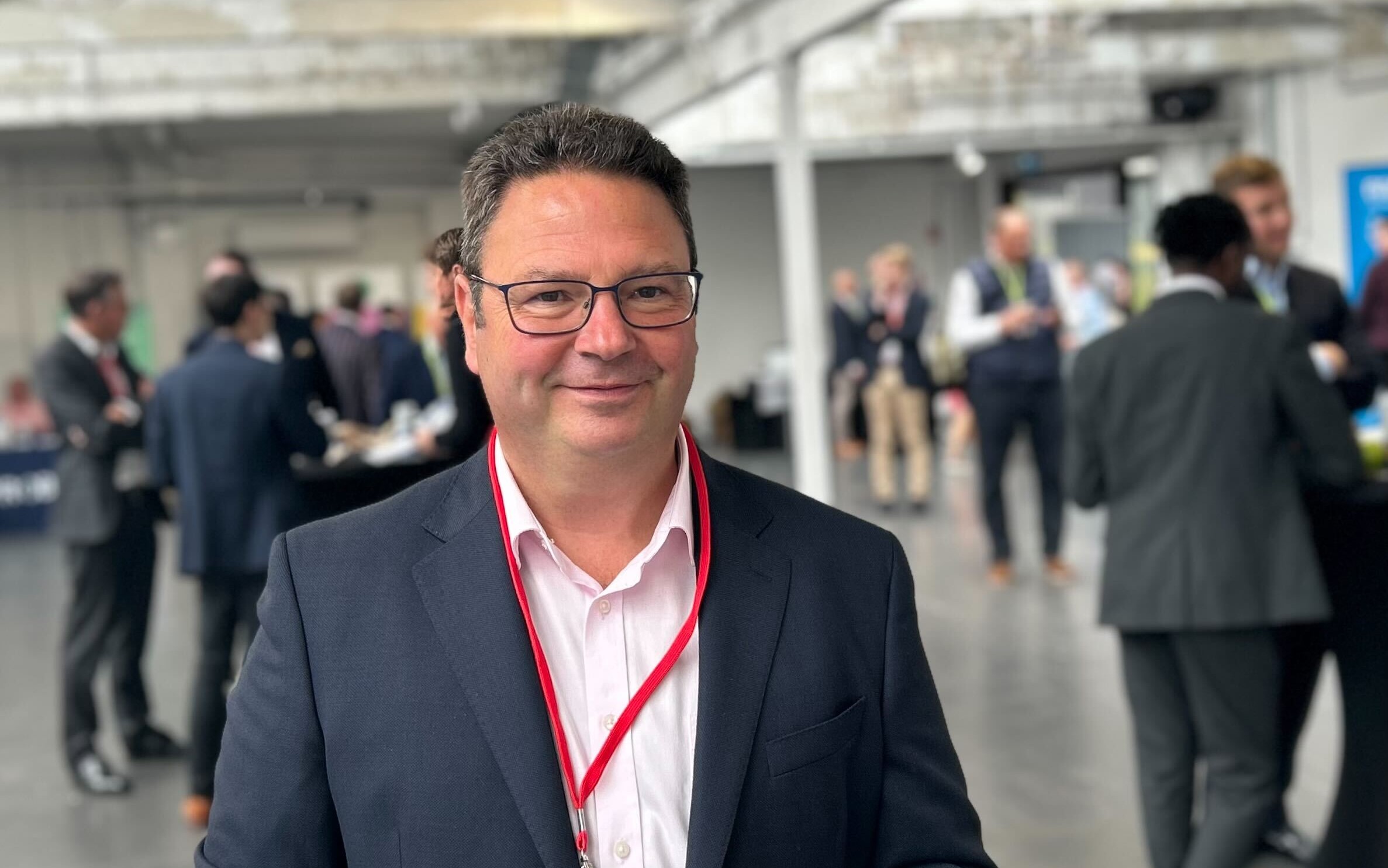
Derek Horrocks, Owner and Chair at Sustainable Building Services (UK) Ltd explores why housing retrofitting can improve the lives of millions of people, and the critical role that communication plays in making sure the benefits are widely understood.
Healthier homes, healthier lives
We all want homes that are warm, comfortable and affordable to run – and retrofit can help us get there. By upgrading existing homes to improve energy efficiency, energy generation and clean heating, retrofit delivers multiple day-to-day improvements in the quality of life for individuals and the communities they live in.
Beyond environmental gains, retrofit decarbonisation can lead to major enhancements in residents’ health. Retrofit schemes aim to make homes warmer, safer and more cost-effective to heat. In doing so, they often uncover and address problems like poor ventilation, damp and mould – issues that can seriously affect both physical and mental health.
Better air quality and ventilation don’t just improve respiratory health; they provide reassurance and peace of mind. Living in a home that feels safe and healthy is something many take for granted, but for those affected it is often life-changing to experience the outcomes from successful retrofit measures.
Boosting wellbeing and comfort
Upgrades to insulation, glazing and air tightness do more than lower energy bills – they enhance day-to-day comfort and quality of life. When residents know their home is warm, secure and efficient, stress levels drop, and the home becomes a place of true sanctuary.
In many cases, retrofit has also sparked a renewed sense of pride. We’ve seen many times that residents begin to take more care in their homes, which in turn can lead to lasting improvements in community wellbeing. The psychological uplift that comes from living in a warm, well-maintained space is a benefit that can’t be measured in pounds and pence.
Why education matters
Although awareness around energy efficiency is growing, education and support remain key before, during and after retrofit works. Without clear communication, residents can struggle to understand how to make the most of new technologies, and their improvements.
Take air source heat pumps, for example. Misconceptions around noise, complexity and suitability for older homes persist – when in reality, these systems are efficient, low-maintenance and adaptable to a wide range of properties.
So, who’s responsible for setting the record straight? It must be a joined-up effort between housing providers, contractors and the wider supply chain. Strong collaboration is essential to avoid mixed messages. Communications need to be clear, consistent and tailored to residents’ needs.
A shift in focus
During recent years, there have been signs of progress. The government’s recent rebranding of the ‘Social Housing Decarbonisation Fund’ to the ‘Warm Homes: Social Housing Fund’ reflects a broader focus – not just on energy savings, but on comfort, safety and wellbeing.
While cost savings remain a top concern, especially during a cost-of-living crisis, residents are becoming increasingly aware of the wider benefits. Recent tragedies have also brought issues like damp and mould into the national spotlight, further highlighting the importance of safe, healthy homes.
Looking ahead
If retrofit is going to achieve its full potential, we need more than just investment. We need education, collaboration and clear communication. Government, housing providers and contractors must work together to share the bigger picture: that retrofitting isn’t just about cutting costs or carbon – it’s about transforming lives.
For more information on Sustainable Building Services, visit www.sustainablebuildinguk.com For more information, please contact Lauren Bolton, Matthew Santos or Katie Nelson at Cartwright Communications via [email protected] or on 0115 853 2110.
